Thursday, September 20, 2018

Testosterone: A woman's best friend

Testosterone plays a vital role in women. Sounds absurd but it affects the overall health of females in more ways than one can imagine. It's a steroid hormone derived from cholesterol(like progesterone). It typically belongs to the male class of hormones called androgens. Anabolic effects include strengthening of muscles, increase, and growth in bone density. Androgenic effects are the development of male sexual organs like testes, growth of facial hair and in the pubic region and deepening of the voice. In men it is produced in testes(Leydig cells), adrenal gland and in women, it is produced in ovaries(thecal cells), adrenal gland and the placenta during pregnancy.
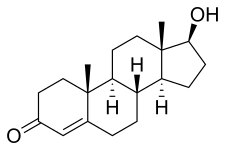

Testosterone is also responsible for sexual arousal in both men and women. Higher levels of testosterone are associated with sexual activity. Women's testosterone levels seem to be higher when pre-intercourse vs pre-cuddling, as well as post-intercourse vs post-cuddling. Sexual thoughts also affect testosterone but not level of cortisol in the female body, and hormonal contraceptives may affect the variation in testosterone response to sexual thoughts. Falling in love decreases testosterone levels in men but increases in women.



How does it help women?

  • Testosterone helps in maintaining bone health.
  • Increases sexual drive
  • Promotes cognitive development
During peri-menopause, there is a decline in testosterone levels in women, leading to a decrease in sex drive. Menopausal women also experience more issues relating to bone density, owing to low levels of testosterone.

Excess levels of testosterone in women may lead to a number of issues. These include
  • Irregular periods
  • Acne
  • Obesity
  • PCOS/PCOD which increase risks of heart diseases
  • Excessive hair growth
  • High blood pressure and high cholesterol levels

If you think that you may have too low or too high levels of testosterone, it should be examined by a medical practitioner at the earliest, after which effective treatment can be prescribed. The same precautions apply for fluctuations in any hormone in the human body. It is essential to seek medical opinion for any hormonal imbalance as it deeply affects one's emotional and mental wellbeing.


Sources:

Thursday, September 6, 2018

Progesterone : The pregnancy hormone

Progesterone is a steroid hormone derived from cholesterol and is involved in the menstrual cycle, pregnancy and development of embryo post-fertilization. It is the base for making certain estrogen and androgens. In animals, it is produced by their body mainly during the second half of the menstrual cycle. During pregnancy, it is produced in higher quantities. The name Progesterone is based on Progestational Steroidal ketone.

Progesterone is released as the egg travels through the fallopian tube during ovulation. It is secreted by a temporary gland formed within the ovary named the corpus luteum. It helps the body to prepare for pregnancy by causing the uterine lining to thicken. If a woman is not pregnant, the corpus luteum disappears followed by menstruation.

If a woman is pregnant, the pregnancy will trigger high levels of estrogen and progesterone, which prevent further eggs from maturing. Progesterone is secreted to prevent uterine contractions that may disturb the growing embryo. The hormone also prepares the breasts for lactation. Along with estrogen, it forms the backbone of the female reproductive system. Many oral contraceptives contain progesterone to prevent pregnancy to thicken the uterine wall and tricking the body to believe that fertilization has already occurred when in fact it has not.


Progesterone converts the endometrium to a secretory stage and prepares the uterus for implantation. It essentially works against the effect of estrogen. Fall in progesterone levels is what enables labor pain and also triggers milk production after delivery. The same is responsible for onset of menstruation.

Many other effects of progesterone are:


  • Increasing irritability during pregnancy
  • Increase in core temperature during ovulation
  • Reduces spasm and muscle response and acts as an anti-inflammatory agent.
  • Prevents endometrial cancer by regulating effects of excess estrogen
  • Helps in blood clotting

Source:
https://www.britannica.com/science/progesterone
https://www.endocrineweb.com/endocrinology/overview-ovaries
https://en.wikipedia.org/wiki/Progesterone


Saturday, September 1, 2018

Estrogen Dominance: The more the merrier?

Estrogen plays a very important role in healthy bodily functions of women. It may seem fair to assume that the more estrogen secretions in the body, the better is it for females. But it isn't the case. In fact, high levels of estrogen pose a major health risk to women and may lead to cancer.

All hormonal functions in the human body work like a see-saw. Any imbalance is always unhealthy. In males, testosterone dominates but there are small quantities of estrogen as well. Similarly, in females, there is a small but significant amount of testosterone secreted to create a balanced state of overall health. Estrogen Dominance is a condition wherein higher than normal levels of estrogen are observed in females which lead to heavy mood swings and interfere with other bodily functions like digestion, sex drive, sleep etc. Women with EDC typically feel exhausted, moody and are sexually inactive. Other symptoms may include, irregular menstrual cycle, lumps or swelling in the breasts, loss of memory, headaches, and migraine.


What causes Estrogen Dominance in the body?

  •  Increased exposure to the body. Synthetic estrogen is found in cosmetics, contraceptive pills, and hormone replacement therapy. BPA found in plastics mimics the behavior of estrogen in the body.
  • Increased production of naturally occurring estrogen in the body. This may be caused due to a number of factors like alcohol consumption, excess insulin, hormonal fluctuations, PCOS etc. Excess body fat is also a trigger to EDC.

What can be done to combat EDC?

  • Eat healthy food to simulate and regulate the production of estrogen.
  • Avoid processed foods, hormonally-treated meats and dairy products, unfiltered water, plastics,  and cosmetics.
  • Maintain an ideal body weight to decrease excess body fat and insulin resistance;
  • Avoid alcohol or moderate alcohol intake.
  • Try to take non-hormonal contraception.
  • Consider consulting with a functional medicine practitioner to explore issues with sex hormone metabolism, GI and detoxification issues. Specialty testing can provide personalized and in-depth information about what specifically is causing imbalance for you, and provide an individual roadmap to restore the intended balance and rhythm of your body.
Sources:

http://jessicaweimd.com/2017/08/10/estrogen-friend-foe-need-know/
https://www.bustle.com/articles/187082-13-signs-your-body-is-producing-too-much-estrogen

Tuesday, August 28, 2018

Estrogen- the Diva of women’s hormones

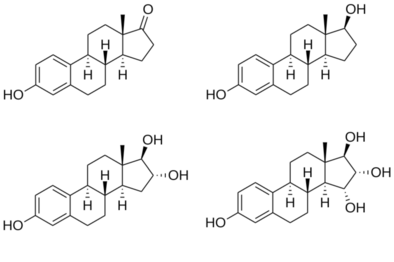
Estrogen is a group of female hormones which includes estrone, estradiol, and estriol. Estradiol is the most important form of estrogen. It is produced majorly by the ovary, the liver, adrenal cortex, and breasts. In pregnancy, the umbilical cord can also have a lot of secretion. Male testes produce a small amount as well. Ovary mainly secretes β-estradiol, other estrogens are less important.


Estrogen helps development during puberty and plays a very important role in the menstrual cycle. Many functions of the female body are linked closely with estrogen. Mood swings, weight gain, development of sexual organs, proper functioning of menstrual cycle, they are all governed by estrogen levels in the female body. In fact the hormone has more important roles to play other than a sex hormone.


1. It has anti-inflammatory properties

2. Decreases risk of cardiovascular diseases in women

3. Maintain bone health and reduces risk of osteoporosis.

4. Induce parental behaviour in adults

5. Controls sex drive in both males and females

6. A major role of estrogen is in mental health of women. Mood swings are caused due to fluctuation in estrogen levels. It has also been found that OCD in male mice is attributed to low estrogen levels.


Monday, August 27, 2018

Introduction

The content of this Blog will mainly focus on all the hormonal secretions in females interlinked with sexual behaviour, parental behaviour and menopause and how and why they are caused. It will also be discussed how the fluctuation in levels of these hormones affects women's health.


3 molecules will be the major highlight:
  1. Estrogen
  2. Progesterone
  3.  Testosterone


Testosterone: A woman's best friend

Testosterone plays a vital role in women. Sounds absurd but it affects the overall health of females in more ways than one can imagine. It...